
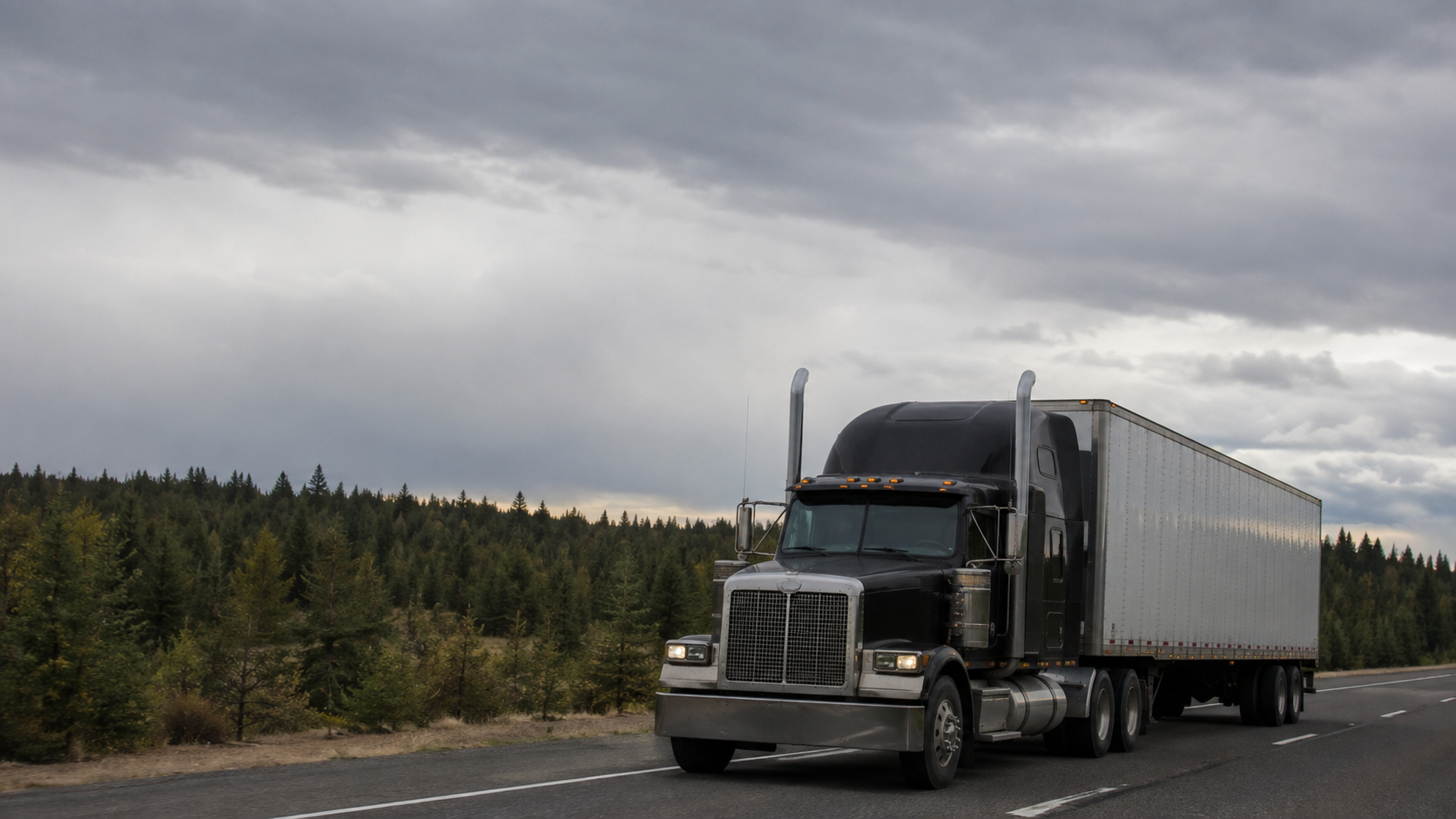
Fleet speeding risk extends beyond crash exposure and can also increase fuel consumption, operating costs, equipment wear and insurance exposure. It can also increase fuel consumption, raise operating costs, create unnecessary wear on equipment, and give insurers another reason to question how actively a fleet manages driver behavior. For transportation companies, reducing excessive speed can produce measurable financial benefits while strengthening the safety story presented to customers, agents, and underwriters.
How Fleet Speeding Increases Fuel Cost
Fleet speed has a direct impact on fuel efficiency. As highway speed increases, aerodynamic drag rises and the engine must work harder to maintain speed. For heavy-duty trucks, even a small reduction in excessive speed can add up to meaningful fuel savings across thousands of miles and an entire fleet.
As a practical rule of thumb, fleets can estimate that fuel economy may decrease by roughly 0.1 MPG for every 1 MPH above 55 MPH. Actual results vary based on vehicle type, weight, terrain, weather, driver behavior, and operating conditions, but the relationship between higher speed and higher fuel consumption is well established.
Speed Reduction | Estimated MPG | Fuel Saved / Year | Savings at $6.50/gal |
| 2 MPH | 6.7 MPG | 459 | $2,984 |
| 3 MPH | 6.8 MPG | 679 | $4,414 |
| 4 MPH | 6.9 MPG | 892 | $5,798 |
| 5 MPH | 7.0 MPG | 1,099 | $7,144 |
At a diesel price of $6.50 per gallon, reducing excessive speed by just 5 MPH could represent approximately $7,144 in annual fuel savings per truck in this example. Across a 100-truck fleet, that equates to more than $714,000 per year in potential fuel savings alone. Actual results will vary based on routes, equipment, loads, driver behavior, operating conditions, and fuel prices.
Why Fleet Speeding Risk Matters in Commercial Auto Risk
Fleet speeding is not only an operating-cost issue. It is also a measurable risk indicator. Repeated speeding can increase stopping distance, reduce reaction time, increase crash severity, and signal that unsafe driving behavior is not being consistently addressed. For insurers and underwriters, fleet speeding is a commercial auto risk issue because repeated speeding can increase crash exposure, loss severity, and claims costs.
For agents, insurers, and underwriters, the important question is not simply whether a fleet has telematics data. The bigger question is whether the fleet can show a documented process for identifying risky behavior, communicating with drivers, following up, and measuring improvement over time.
That is where accountability matters. Telematics can identify the risk. Accenga helps make sure the risk is acted on.
How Accenga Turns Fleet Speeding Data Into Measurable Improvement
Accenga works with a fleet’s existing telematics data to identify speeding behavior, track trends, communicate with drivers, and document follow-up. The goal is not simply to generate another alert. The goal is to create an accountability process that produces measurable improvement over time.
Fleets using Accenga’s speeding management process have reduced excessive speeding by 30% to 50% within 60 to 120 days, with some fleets achieving even larger reductions. Weekly reporting allows management to see which drivers are improving, where risk remains, and whether corrective action is producing results.
The result is a documented record of action that can support fleet management, insurance discussions, and underwriting reviews.
Fleet Speeding Is a Cost Problem and a Risk Problem
Reducing excessive speed can create two benefits at the same time: lower operating cost and lower exposure to serious loss. Fuel savings are measurable, but so are the safety benefits of giving drivers more reaction time, reducing stopping distance, and limiting the severity of a potential crash.
For fleet managers, this creates a stronger business case for active speed management. The goal is not simply to watch telematics alerts. It is to identify recurring behavior, communicate expectations, document coaching, and verify that driver performance improves.
What Measurable Speed Reduction Can Look Like
One Accenga fleet reduced excessive speeding from 8.5% to below 3% in approximately 10 weeks and has sustained performance below 2.5% over an extended period. Another fleet reduced excessive speeding from 13.5% to approximately 1%.
These results will not be identical for every fleet, but they demonstrate what can happen when speeding data is paired with consistent driver communication, follow-up, management visibility, and accountability.
The value is not just identifying who is speeding. The value is proving that the behavior is changing. Learn how to measure whether a fleet speeding management program is actually working.
Fleet Speeding and Fuel Cost FAQs
How much does speeding affect fuel economy?
For heavy-duty trucks, higher highway speeds generally increase aerodynamic drag and fuel consumption. A practical planning estimate is roughly 0.1 MPG for each 1 MPH increase above 55 MPH, although actual results vary by truck, load, route, weather, and driving conditions.
Can reducing fleet speed really save money?
Yes. Even modest improvements in MPG can produce meaningful savings when multiplied across high annual mileage and an entire fleet. The financial impact becomes especially significant when diesel prices are high.
Why do insurers care about fleet speeding?
Speeding can increase stopping distance, reduce reaction time, and contribute to more severe crashes. Insurers and underwriters may also want evidence that a fleet is actively identifying risky behavior, communicating with drivers, and documenting corrective action.
Turn Fleet Speeding Data Into Action
Accenga works with your existing telematics data to identify excessive speeding, create driver accountability, document follow-up, and measure improvement over time.
Learn more about Accenga Fleet Speeding Management or contact us to discuss your fleet.