
Fleet Video Review
- Home
- Fleet Video Review
Turn Video Events Into Actionable Driver Coaching
Fleet video review is most effective when the right events are reviewed quickly, the highest-risk behaviors are identified and drivers receive consistent follow-up. Accenga helps fleets turn video and telematics events into a structured review and coaching process so managers can focus attention where it matters most.
Learn how Accenga’s broader fleet safety management approach connects video review, driver coaching and measurable risk reduction.
Want a broader view of where risk is concentrated across the fleet? Start with a free fleet risk assessment.
Review
Review video and telematics events to separate meaningful risk from low-value noise.
Prioritize
Focus attention on the drivers and behaviors creating the greatest exposure.
Coach
Turn reviewed events into timely, documented driver coaching and follow-up.
Measure
Track whether driver behavior improves and whether risk reduction is sustained over time.
Why Fleet Video Review Matters
Dash cameras and telematics platforms can generate more video events than managers have time to review consistently. The challenge is not collecting more footage. It is identifying which events deserve attention, which drivers are creating repeat risk and which behaviors require coaching.
Accenga helps fleets create a more consistent video review process so managers can focus on meaningful events instead of sorting through every alert. This supports faster follow-up, clearer documentation and better visibility into whether driver behavior improves after coaching.
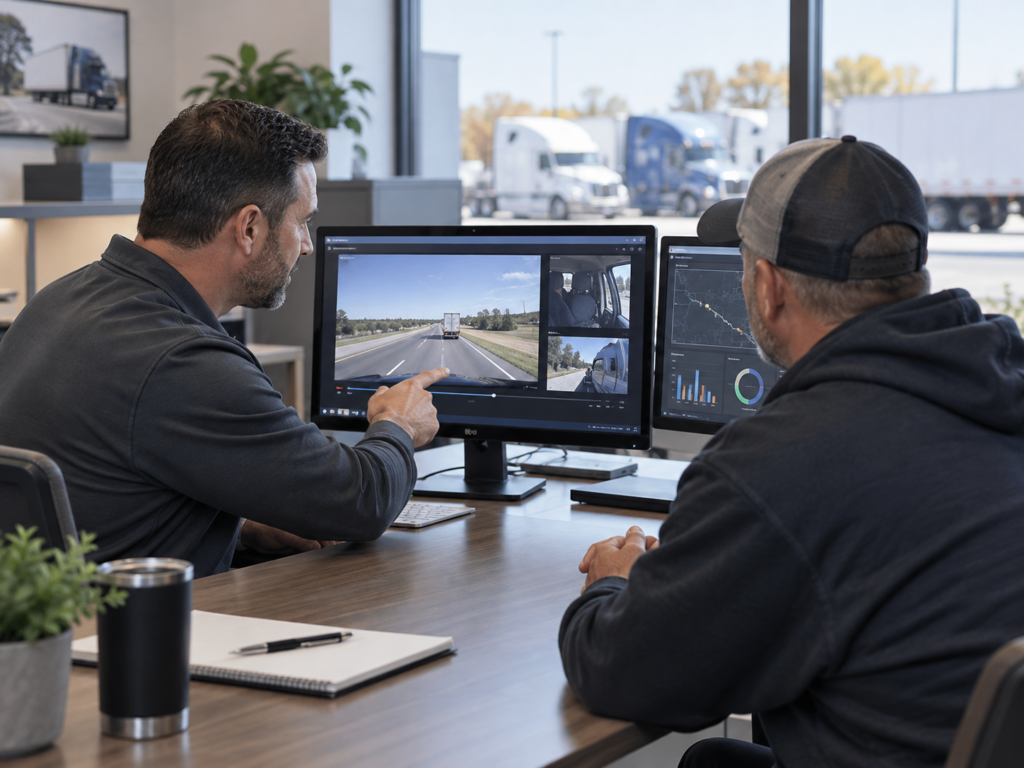
What Accenga Looks for in Video Events
Accenga helps fleets focus on the video events that matter most, including distracted driving, cell phone use, following distance, unsafe lane changes, rolling stops, harsh events and other behaviors that can increase crash exposure.
The goal is not to coach every triggered event. It is to identify meaningful patterns, repeat behavior and the drivers who need timely follow-up so managers can spend their time on the events most likely to reduce risk.
How Fleet Video Review Creates Accountability
Video review only creates value when someone consistently turns the event into action. Accenga helps fleets create a repeatable process for reviewing events, documenting coaching and tracking whether drivers respond to follow-up.
This gives fleet leaders better visibility into which drivers are improving, which behaviors continue to create risk and where additional coaching may be needed. It also helps reduce the chance that important events are reviewed once and then forgotten.
Over time, a structured fleet video review process helps connect camera events to documented conversations, measurable improvement and stronger driver accountability.
Learn more about our fleet safety management approach.
Fleet Video Review Software That Turns Camera Events Into Action
Accenga’s fleet video review software helps commercial fleets turn camera events into a consistent review, coaching and accountability process. Rather than simply storing or forwarding video clips, Accenga helps fleets prioritize high-risk events, document driver follow-up and track whether risky behavior improves over time.
The process works with the fleet’s existing camera and telematics systems, helping safety teams create a repeatable workflow for reviewing events, coaching drivers and maintaining documented evidence of corrective action.
What Makes Fleet Video Review Effective
Effective fleet video review is not just about watching clips. It is about consistently identifying the events that create meaningful risk, understanding the behavior behind those events and making sure the right drivers receive timely follow-up. A structured review process helps fleets separate isolated incidents from patterns that deserve attention.
Consistency is especially important when multiple managers are responsible for safety. Without a defined process, similar events may be handled differently depending on who reviews them. Accenga helps create a repeatable approach so video events are reviewed, documented and connected to coaching in a more consistent way across the fleet.
Over time, this makes it easier to see which drivers are responding to coaching, which behaviors continue to create exposure and where additional follow-up may be needed. The result is a clearer connection between camera data, driver accountability and measurable safety improvement.
A consistent review process also gives safety leaders better visibility into how often risky behaviors repeat, whether coaching is happening promptly and whether drivers are improving after follow-up. That helps fleets use video data as part of an ongoing risk-management process instead of treating each event as a one-time incident across the fleet.
Turn Video Review Into a Consistent Process
Accenga helps fleets move from scattered video-event review to a documented process that supports faster follow-up, stronger accountability and measurable driver improvement.